
Inside Maroev’s Zero Trust Architecture
A technical walkthrough of the pillars powering our Zero Trust framework. We break down how identity, device, and workload trust signals combine into a single access decision in practice.
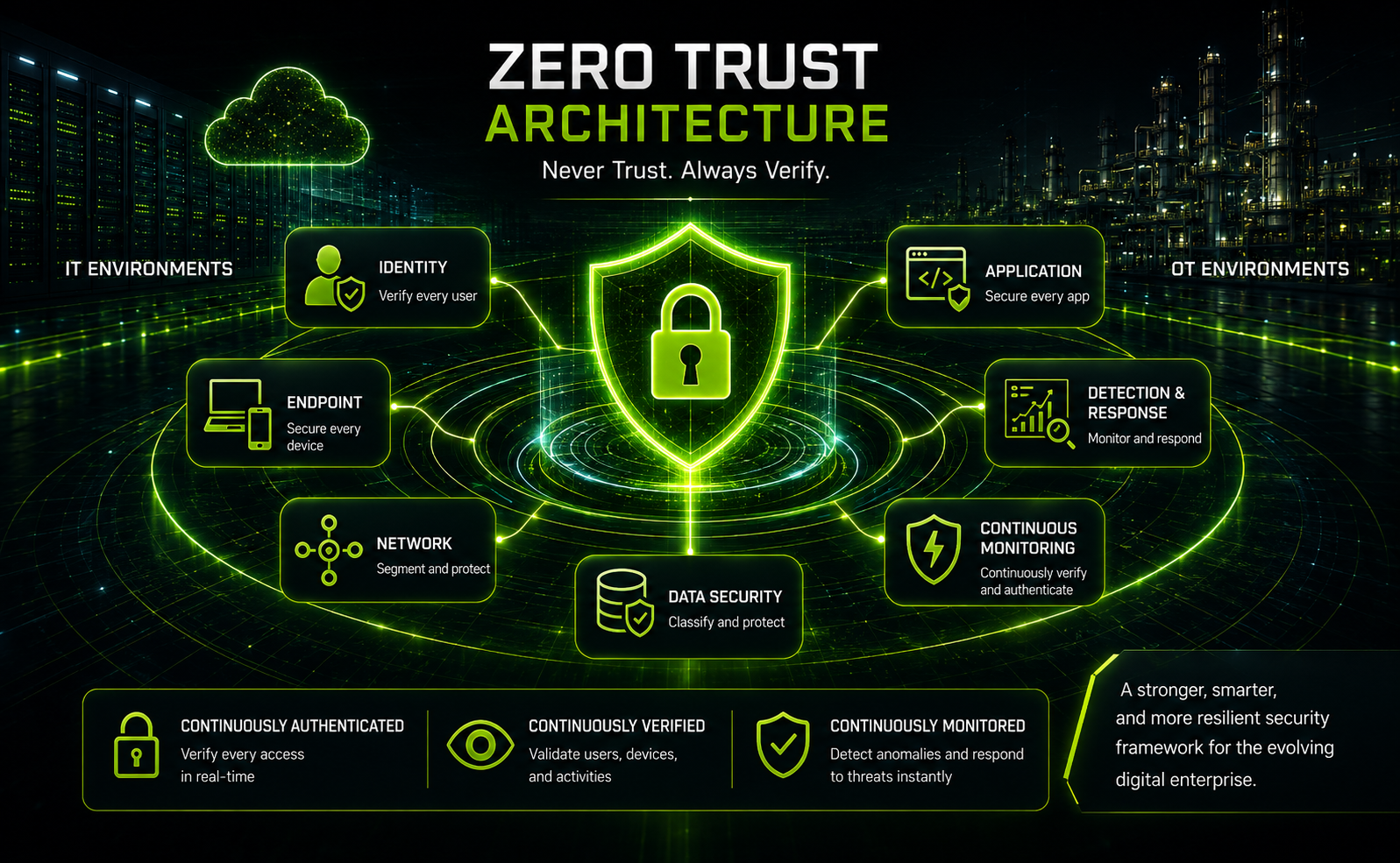
The Core Philosophy of Modern Access Control
Traditional perimeter-based security assumes that everything inside an organization’s network is safe. In today’s hybrid cloud and remote-work landscape, this assumption creates single points of failure that attackers exploit.
Maroev’s Zero Trust Architecture replaces implicit network trust with continuous, risk-based verification. Every access request—regardless of origin—must be explicitly authenticated, authorized within dynamic policy limits, and continuously monitored.
The Five Technical Pillars
How trust signals across key domains converge into an automated access engine.
Identity & Access Control
Strong, phishing-resistant Multi-Factor Authentication (MFA) paired with Role-Based and Attribute-Based Access Control (RBAC/ABAC) ensures least-privilege enforcement across all resources.
Device Health & Posture
Endpoints undergo real-time health checks—confirming OS patch levels, active EDR agents, and disk encryption status—before access to sensitive assets is granted.
Network Micro-Segmentation
Replacing wide-open VPNs with Software-Defined Perimeters (SDP). Network traffic is segmented down to individual application flows to eliminate lateral movement.
Workload & Application Protection
Securing APIs, microservices, and containerized workloads across public clouds and on-premise datacenters with automated vulnerability tracking and runtime protection.
How a Zero Trust Access Decision Works
Access is never static. Maroev’s policy engine continuously evaluates real-time contextual risk signals before issuing ephemeral access tokens.
Contextual Request Initiation
A user or service attempts to access a protected application. Contextual data including IP location, device posture, and user identity is gathered instantly.
Real-Time Threat Assessment
The Policy Engine cross-references request telemetry against threat intelligence feeds, user behavior anomalies, and active security incidents.
Adaptive Policy Decision
Access is either granted, blocked, or stepped up with additional verification (such as a biometric prompt or FIDO2 hardware challenge).
Continuous Session Audit
Trust is continuously re-evaluated during active sessions. If a device drops compliance mid-session, access is revoked immediately.
Implementing Zero Trust with Maroev
Transitioning to a Zero Trust Architecture is a strategic journey rather than an overnight lift-and-shift. Maroev helps enterprise organizations across the Philippines assess maturity, establish identity foundations, and implement zero-trust network access (ZTNA) without disrupting business continuity.
Learn more about our comprehensive cybersecurity and managed infrastructure capabilities on our ICT solutions provider page.
4 Stages to Zero Trust Maturity
Identify Critical Assets & Data: Map application dependencies, high-value data repositories, and identity flows across the organization.
Consolidate Identity & MFA: Establish a centralized identity provider with mandatory phishing-resistant authentication across all entry points.
Deploy Micro-Segmentation & ZTNA: Replace legacy VPNs with granular Zero Trust Network Access policies for remote and on-premise users.
Automate Analytics & Response: Integrate telemetry into a centralized SOC engine to enable real-time risk scoring and dynamic revocation.

The Future of Zero Trust Security

Cloud Security Best Practices

Why Your Organization Needs a 24/7 SOC
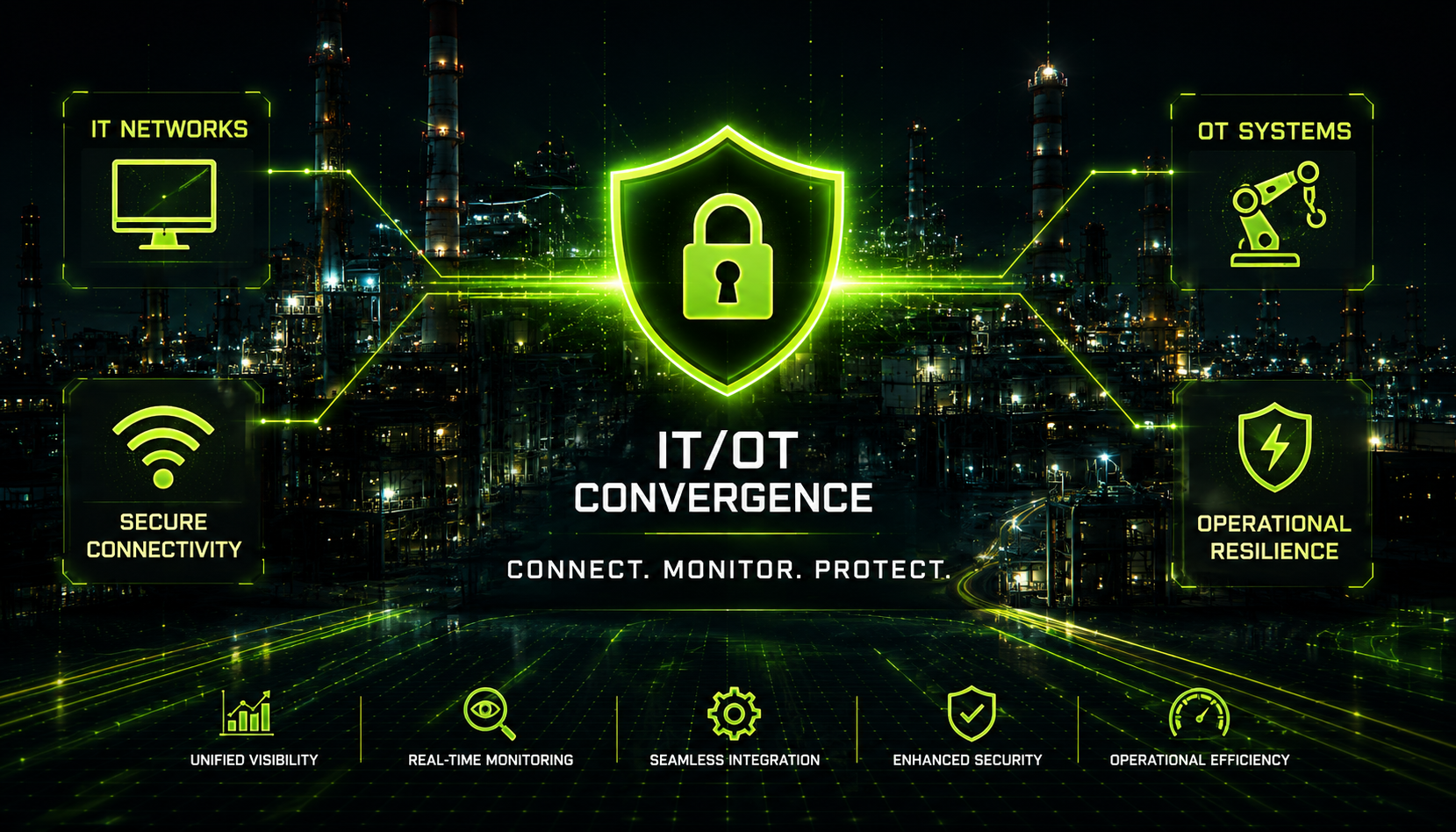
IT/OT Convergence: Bridging Operations and Security
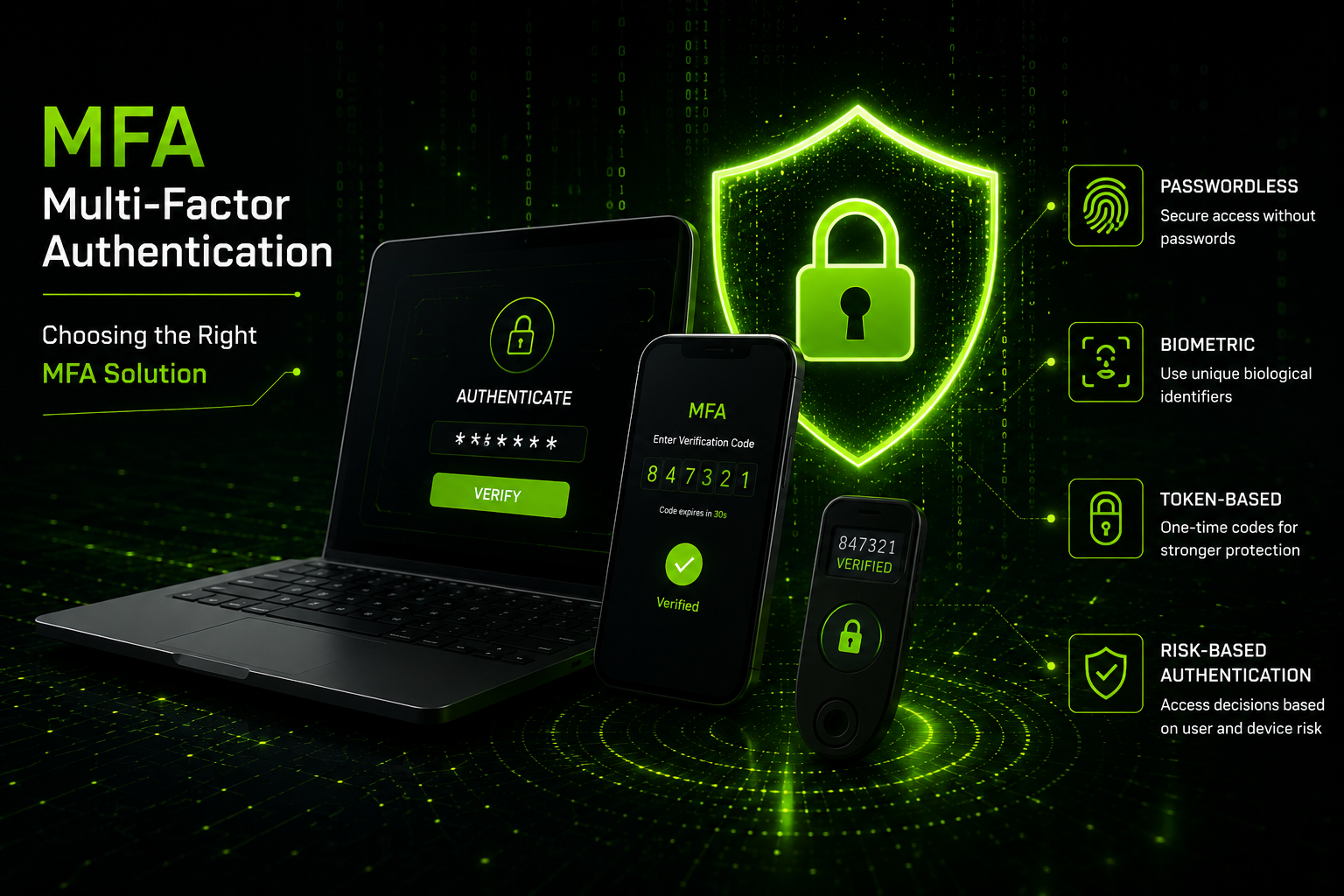
Choosing the Right MFA: A Buyer’s Guide

Building a Resilient SOC for the Philippines
VIEW ALL NEWS
KEEP UP WITH ALL THE LATEST SECURITY DEVELOPMENTS!
Build Your Zero Trust Architecture Today
Eliminate implicit trust and safeguard your critical assets with Maroev’s proven framework for enterprise digital resilience.
Speak with an Architect →