
Categories
Cybersecurity

Inside Maroev’s Zero Trust Architecture

Home / Insights / Cybersecurity
CYBERSECURITY

Inside Maroev’s Zero Trust Architecture

A technical walkthrough of the pillars powering our Zero Trust framework. We break down how identity, device, and workload trust signals combine into a single access decision in practice.
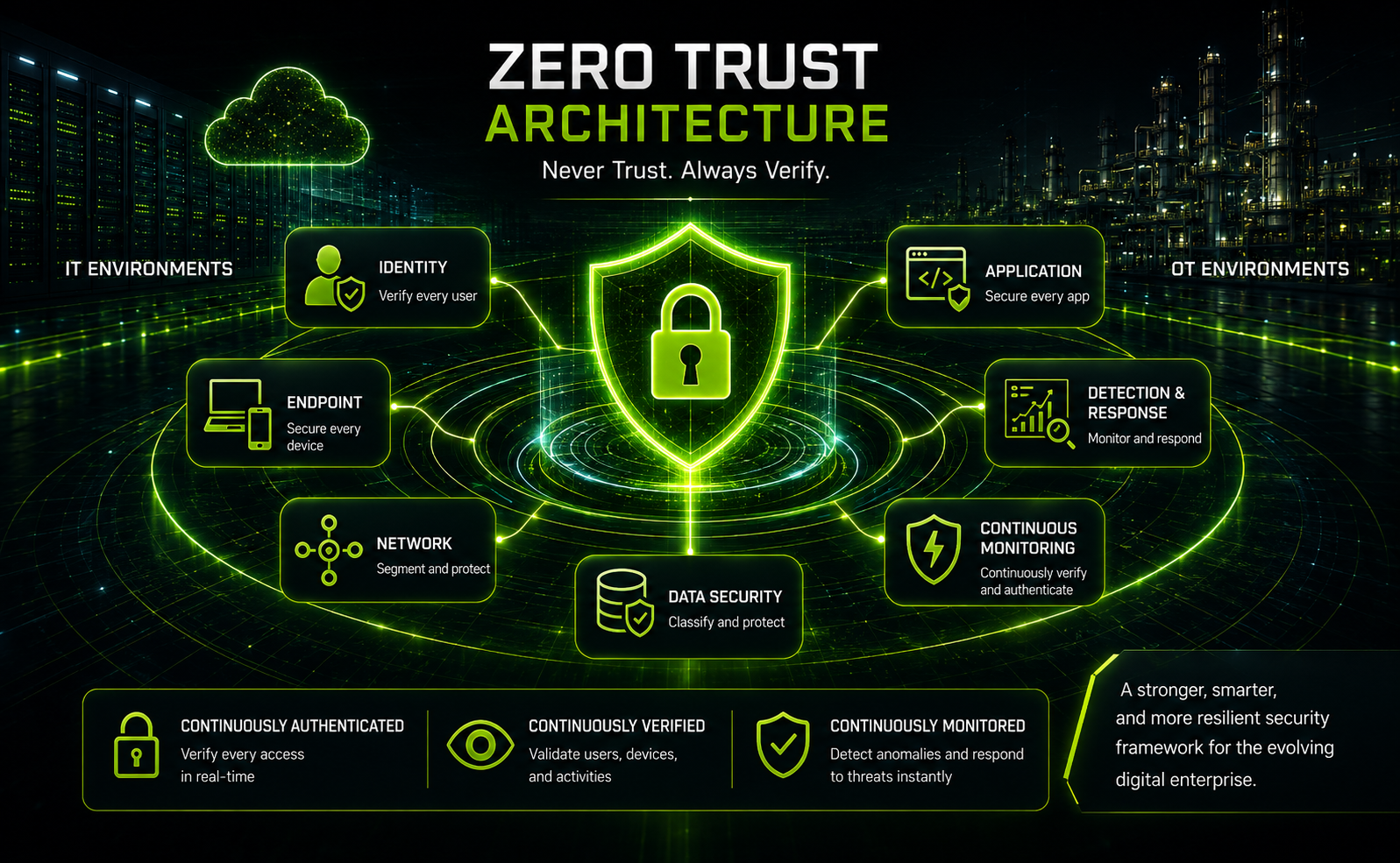
Zero Trust Architecture diagram featuring identity, network, data, and application security pillars
NEVER TRUST, ALWAYS VERIFY

The Core Philosophy of Modern Access Control

Traditional perimeter-based security assumes that everything inside an organization’s network is safe. In today’s hybrid cloud and remote-work landscape, this assumption creates single points of failure that attackers exploit.

Maroev’s Zero Trust Architecture replaces implicit network trust with continuous, risk-based verification. Every access request—regardless of origin—must be explicitly authenticated, authorized within dynamic policy limits, and continuously monitored.

FRAMEWORK ARCHITECTURE

The Five Technical Pillars

How trust signals across key domains converge into an automated access engine.

PILLAR 01

Identity & Access Control

Strong, phishing-resistant Multi-Factor Authentication (MFA) paired with Role-Based and Attribute-Based Access Control (RBAC/ABAC) ensures least-privilege enforcement across all resources.

PILLAR 02

Device Health & Posture

Endpoints undergo real-time health checks—confirming OS patch levels, active EDR agents, and disk encryption status—before access to sensitive assets is granted.

PILLAR 03

Network Micro-Segmentation

Replacing wide-open VPNs with Software-Defined Perimeters (SDP). Network traffic is segmented down to individual application flows to eliminate lateral movement.

PILLAR 04

Workload & Application Protection

Securing APIs, microservices, and containerized workloads across public clouds and on-premise datacenters with automated vulnerability tracking and runtime protection.

DYNAMIC EVALUATION

How a Zero Trust Access Decision Works

Access is never static. Maroev’s policy engine continuously evaluates real-time contextual risk signals before issuing ephemeral access tokens.

01 / REQUEST

Contextual Request Initiation

A user or service attempts to access a protected application. Contextual data including IP location, device posture, and user identity is gathered instantly.

02 / RISK EVALUATION

Real-Time Threat Assessment

The Policy Engine cross-references request telemetry against threat intelligence feeds, user behavior anomalies, and active security incidents.

03 / ENFORCEMENT

Adaptive Policy Decision

Access is either granted, blocked, or stepped up with additional verification (such as a biometric prompt or FIDO2 hardware challenge).

04 / MONITORING

Continuous Session Audit

Trust is continuously re-evaluated during active sessions. If a device drops compliance mid-session, access is revoked immediately.

TAILORED ARCHITECTURE

Implementing Zero Trust with Maroev

Transitioning to a Zero Trust Architecture is a strategic journey rather than an overnight lift-and-shift. Maroev helps enterprise organizations across the Philippines assess maturity, establish identity foundations, and implement zero-trust network access (ZTNA) without disrupting business continuity.

Learn more about our comprehensive cybersecurity and managed infrastructure capabilities on our ICT solutions provider page.

ADOPTION ROADMAP

4 Stages to Zero Trust Maturity

1

Identify Critical Assets & Data: Map application dependencies, high-value data repositories, and identity flows across the organization.

2

Consolidate Identity & MFA: Establish a centralized identity provider with mandatory phishing-resistant authentication across all entry points.

3

Deploy Micro-Segmentation & ZTNA: Replace legacy VPNs with granular Zero Trust Network Access policies for remote and on-premise users.

4

Automate Analytics & Response: Integrate telemetry into a centralized SOC engine to enable real-time risk scoring and dynamic revocation.

WHAT’S NEW THIS WEEK
Zero Trust Security
CYBERSECURITY

The Future of Zero Trust Security

Cloud Security
CLOUD

Cloud Security Best Practices

24/7 SOC
THREAT INTEL

Why Your Organization Needs a 24/7 SOC
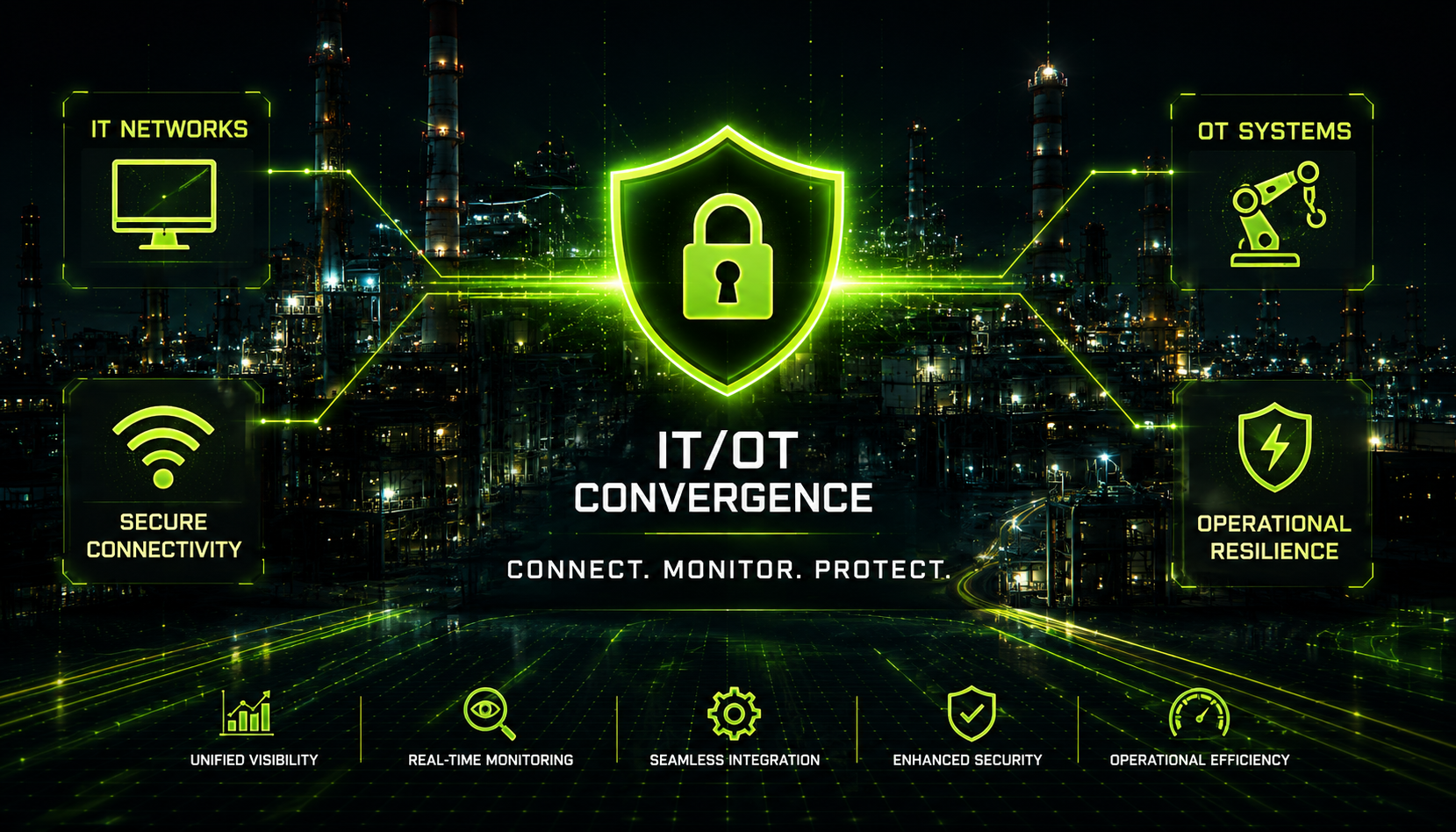
IT/OT Convergence
IT/OT NETWORKS

IT/OT Convergence: Bridging Operations and Security
Choosing MFA
CYBERSECURITY

Choosing the Right MFA: A Buyer’s Guide
SOC Monitoring
CYBERSECURITY

Building a Resilient SOC for the Philippines

VIEW ALL NEWS

KEEP UP WITH ALL THE LATEST SECURITY DEVELOPMENTS!

GET STARTED

Build Your Zero Trust Architecture Today

Eliminate implicit trust and safeguard your critical assets with Maroev’s proven framework for enterprise digital resilience.

Speak with an Architect →

Categories
Cybersecurity

Choosing the Right MFA: A Buyer’s Guide

Home / Insights / Cybersecurity
CYBERSECURITY

Choosing the Right MFA: A Buyer’s Guide

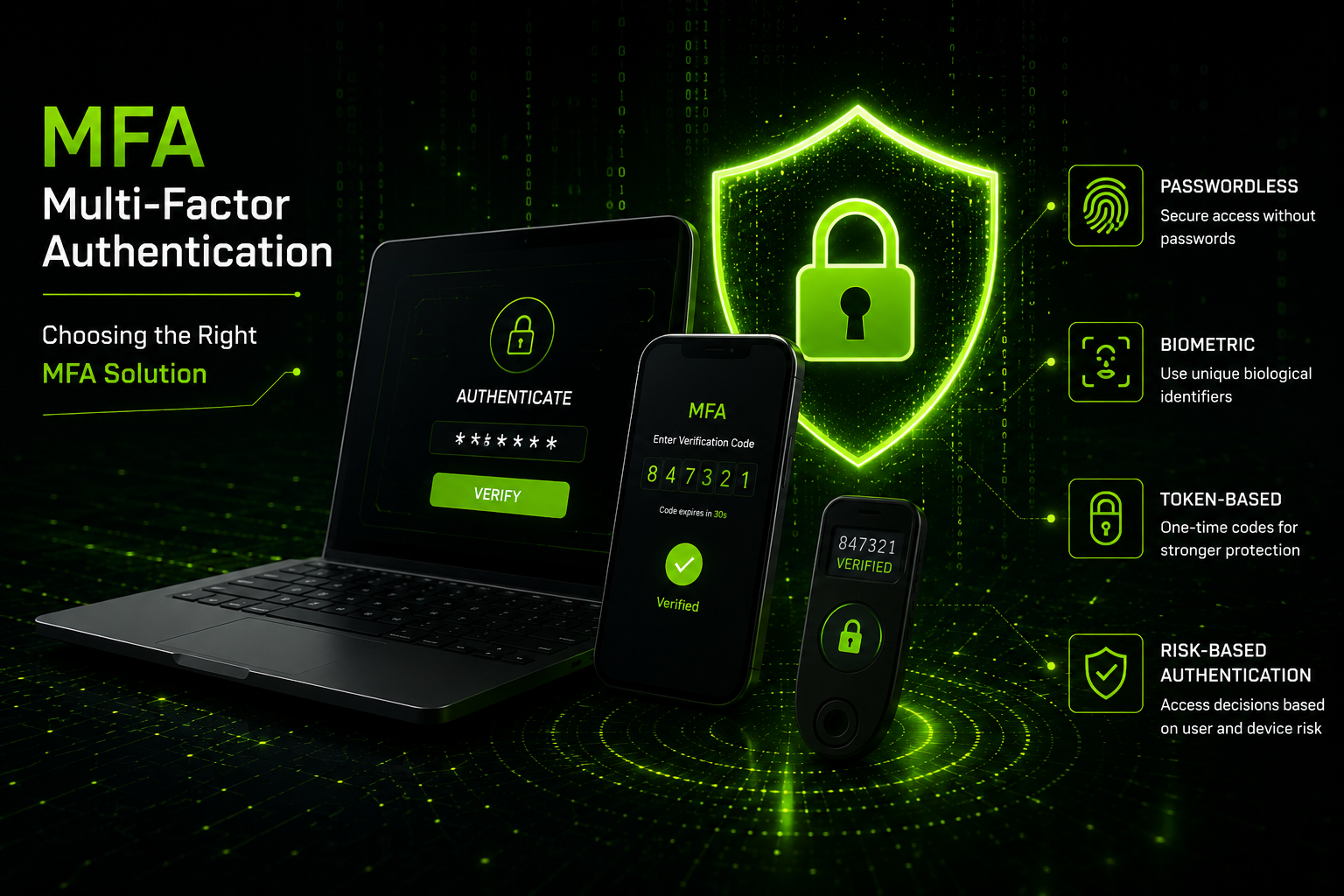
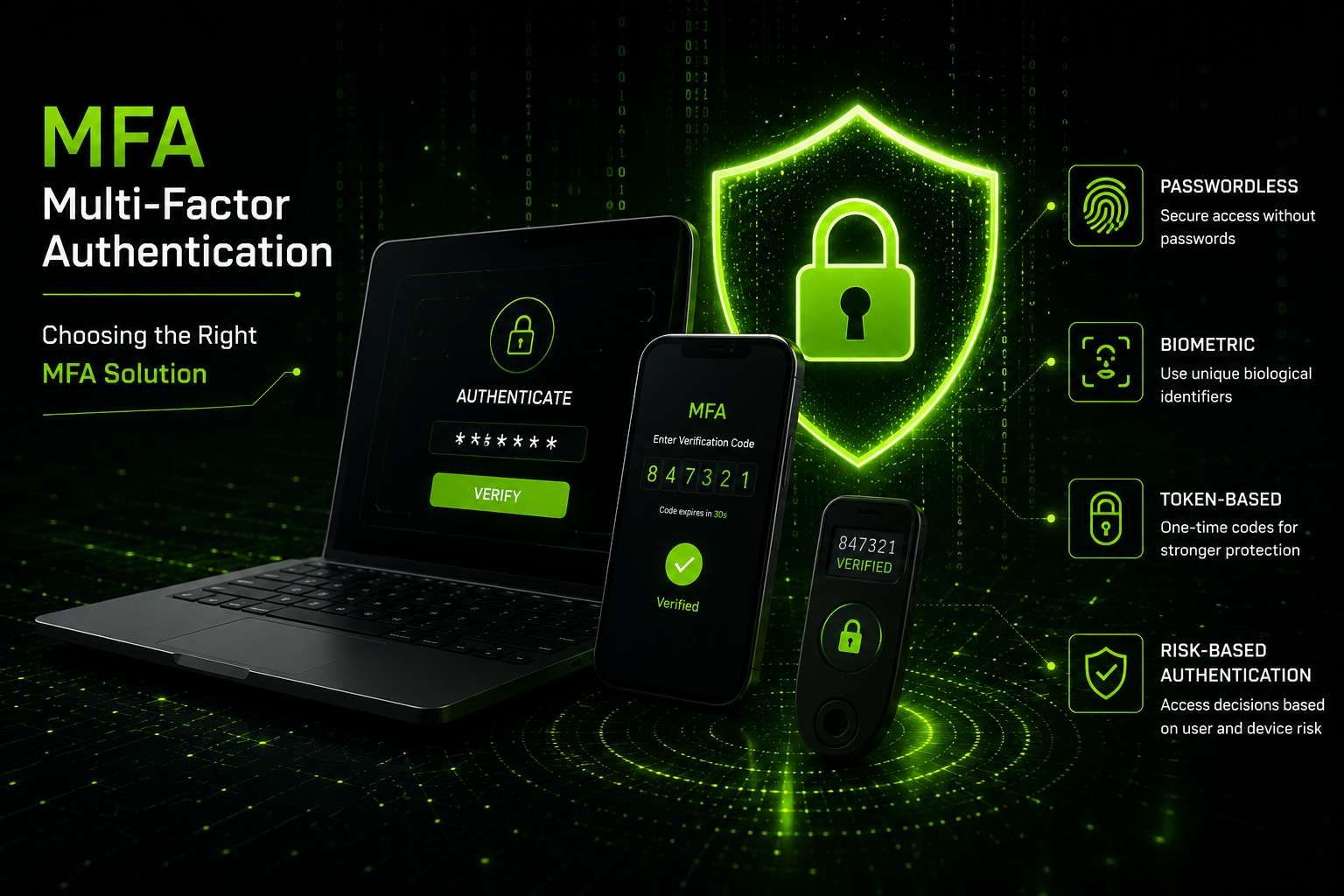
Passwordless, biometric, or token-based: how to pick an authentication model that fits your risk profile. We compare rollout cost, user friction, and phishing resistance across the most common MFA approaches available today.

Multi-Factor Authentication solutions layout featuring laptop, smartphone, and security token
IDENTITY ACCESS MANAGEMENT

Beyond Simple Passwords: Modern Authentication

With over 80% of data breaches tracing back to stolen or compromised credentials, Multi-Factor Authentication (MFA) is no longer optional—it is the foundational gatekeeper of enterprise security. However, not all MFA methods offer equal protection.

From SMS OTPs to FIDO2 WebAuthn security keys, selecting the wrong MFA strategy can either leave critical vulnerabilities open to adversaries or paralyze user productivity with excessive friction.

COMPARATIVE ANALYSIS

MFA Authentication Models Evaluated

Balance security posture against deployment complexity and end-user adoption barriers.

LOW COST / HIGH RISK

SMS & Voice OTP

Delivers basic security via text message. Highly vulnerable to SIM swapping, SS7 interception, and phishing attacks.

STANDARD / MEDIUM RISK

TOTP Authenticator Apps

Time-based 6-digit codes generated via apps like Google or Microsoft Authenticator. Immune to SIM swaps, but vulnerable to adversary-in-the-middle phishing.

BALANCED / LOW RISK

Push Notifications & Biometrics

One-tap mobile approvals with biometric verification (Face ID/Fingerprint). Highly convenient, though require number-matching to prevent MFA fatigue attacks.

HIGH SECURITY / ZERO PHISHING

FIDO2 / WebAuthn Hardware Tokens

Physical security keys (e.g., YubiKeys) and device-bound passkeys. Completely immune to man-in-the-middle phishing, providing enterprise-grade defense.

BUYER’S CHECKLIST

4 Key Pillars for Evaluating an MFA Solution

01 / SECURITY

Phishing Resistance

Ensure the authentication mechanism cryptographically binds the login session to the domain, rendering credential harvesting useless.

02 / UX & ADOPTION

User Experience & Friction

Minimize user pushback by selecting passive or seamless biometric options that streamline login speeds without sacrificing safety.

03 / INTEGRATION

Identity Ecosystem Compatibility

Verify full compatibility with your primary Identity Providers (IdP) such as Microsoft Entra ID, Okta, Ping Identity, or legacy Active Directory.

04 / DEPLOYMENT

TCO & Operational Overhead

Account for ongoing hardware costs, token distribution logistics, and self-service account recovery workflows to keep helpdesk ticket costs down.

MAROEV’S CAPABILITIES

Architecting Phishing-Resistant Identity Security

At Maroev, we evaluate your organization’s risk profile, regulatory compliance needs, and current infrastructure to design and deploy seamless Multi-Factor Authentication strategies across the Philippines.

Whether you need FIDO2 hardware token rollouts for operational teams or adaptive context-aware access for remote workforces, Maroev balances security with seamless user experience. Learn more about our specialized IAM services on our cybersecurity solutions page.

ROLLOUT ROADMAP

Phased MFA Implementation Process

Deploying authentication controls without disruption requires a structured, step-by-step approach.

1

Perform identity risk assessments and group users into specific access tiers (e.g., Privileged Admins, Remote Users, On-site Personnel).

2

Select appropriate MFA authenticators per risk tier and enforce adaptive risk-based conditional access policies.

3

Establish automated self-service registration and robust identity verification recovery channels.

4

Execute phased pilot rollouts followed by organization-wide enforcement and continuous monitoring.

NEXT STEPS

Ready to Secure Your Workforce Identity?

Eliminate credential vulnerabilities with tailored, phishing-resistant Multi-Factor Authentication. Partner with Maroev to build a resilient, frictionless authentication framework.

Schedule an Assessment →
Categories
Cybersecurity

Building a Resilient SOC for the Philippines

Home / Insights / Cyber Resilience
CYBER RESILIENCE

Building a Resilient SOC for the Philippines

Lessons from real-time monitoring and proactive defense. From visualizing threats to scaling automated incident response, we cover the controls that matter most for teams striving to achieve digital sovereignty. As regional data risks grow, learn how to build a security operations center that doesn’t just survive, but thrives.

NATIONAL THREAT LANDSCAPE

Addressing the Regional Threat Volume Surge

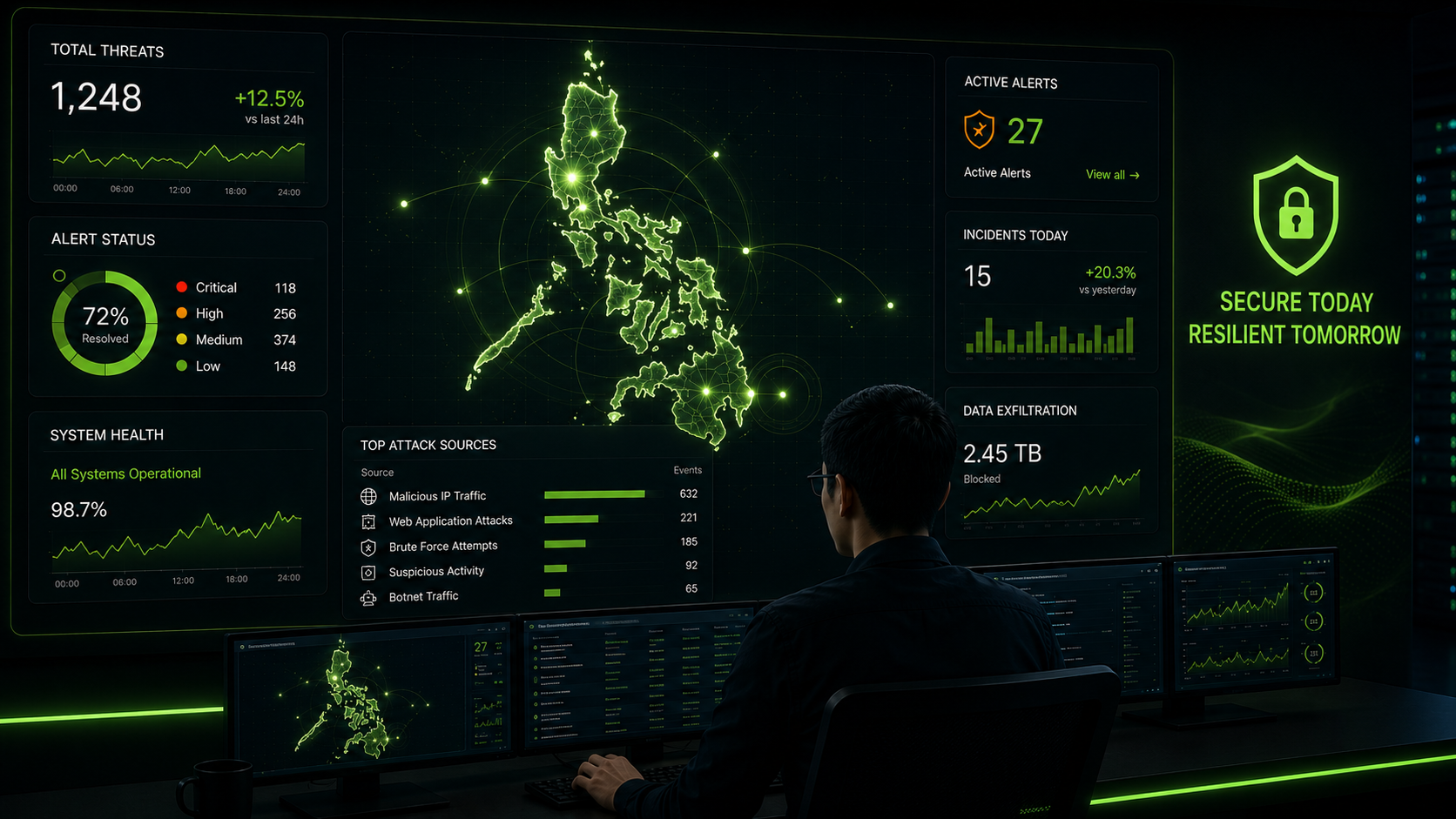
Philippine enterprises face an evolving wave of targeted cyber threats, marked by a 12.5% increase in total threat activity over short windows. Relying on legacy perimeter defenses is no longer sufficient when facing high-density attack vectors aimed directly at local critical infrastructure.

By shifting toward continuous threat telemetry and localized threat intelligence, security operations centers can track malicious activity down to specific geographical origin points across the archipelago in real time.

TOP ATTACK SOURCES

Primary Vectors Facing Modern Enterprise SOCs

Understanding high-frequency intrusion patterns allows security teams to optimize ingestion filters and defense priorities.

Malicious IP Traffic & Web Attacks

Continuous scanning from infected botnets and targeted web application attacks constantly probe enterprise edge routers and public endpoints for unpatched vulnerabilities.

Brute Force & Credential Abuse

Automated password spraying and credential stuffing attempts repeatedly bombard authentication gateways to establish unauthorized initial access.

A localized SOC architecture correlates these raw events immediately, distinguishing noise from legitimate high-severity breaches.

COMMAND CENTER TELEMETRY

5 Key Metrics a Resilient SOC Tracks

01 / VOLUMETRICS

Total Threat Telemetry

Aggregates global and regional threat signals to identify sudden surges in inbound malicious traffic before networks saturate.

02 / ALERT TRIAGE

Active Alert Categorization

Classifies incidents by severity—Critical, High, Medium, and Low—ensuring tier-1 analysts address immediate risks first.

03 / EXFILTRATION

Data Exfiltration Prevention

Monitors outbound payload volumes in real time, stopping terabytes of unauthorized data transfers before sensitive files escape.

04 / AVAILABILITY

System Health & Operational Uptime

Tracks continuous operational readiness (target 98.7%+) across all monitored cloud connectors, servers, and security appliances.

05 / RESOLUTION

Automated Alert Resolution Rate

Measures the percentage of routine alerts resolved through automated playbooks (e.g., 72%+ target), drastically lowering analyst fatigue.

MAROEV’S RESILIENCE FRAMEWORK

Building Sovereign Digital Resilience

Maroev’s Security Operations Center blends advanced automation with local threat context tailored specifically for organizations operating in the Philippines. By visualizing regional attack maps and pairing real-time SIEM analytics with immediate triage, we transform raw data into proactive defense.

Our approach ensures your security operations don’t just passively alert you to incidents, but execute rapid containment actions to secure critical systems. Learn more about our continuous defense strategies on our cybersecurity solutions page.

SOC ROADMAP

Steps to Achieving SOC Resilience

Building a high-performing security center requires clear operational integration and real-time visibility. Follow these steps to fortify your operations.

1

Establish continuous ingestion across all regional networks, endpoints, and cloud infrastructure.

2

Deploy localized threat intelligence feeds to identify attack vectors targeting domestic industries.

3

Implement SOAR automation playbooks to instantly block malicious IP traffic and halt data exfiltration.

4

Maintain continuous 24/7 human oversight to triage high-priority critical alerts and perform proactive threat hunting.

Maroev works with regional organizations to assess, build, and manage SOC capabilities designed for sustainable, long-term resilience.

CONCLUSION

Secure Today, Resilient Tomorrow

Don’t leave your enterprise vulnerable to evolving regional threat vectors. Partner with Maroev to build a modern SOC that delivers real-time visibility, automated incident response, and long-term digital sovereignty.

Book a Consultation →
Categories
Cybersecurity

Why Your Organization Needs a 24/7 SOC

Home / Insights / 24/7 Security Operations Center
THREAT INTEL

Why Your Organization Needs a 24/7 SOC

The operational benefits of round-the-clock threat detection and intelligence. Discover how real-time telemetry, automated triage, and proactive threat hunting protect critical infrastructure from after-hours attacks.

ALWAYS-ON VIGILANCE

Cyber Threats Don’t Work 9-to-5

A 24/7 Security Operations Center (SOC) serves as your organization’s centralized command post for real-time monitoring, incident response, and continuous threat mitigation. Attackers frequently exploit weekends, holidays, and off-hours to launch ransomware and breach networks when internal IT teams are offline.

A modern SOC transitions your defense strategy from reactive disaster management to proactive, continuous containment.

THE REALITY OF ATTACKS

Why Traditional Business-Hours Security Leaves You Vulnerable

Relying solely on standard business hours leaves a massive security blind spot that attackers actively look to exploit.

After-Hours Exploitation

More than 70% of ransomware attacks occur after hours or on weekends when response times are slowest, letting threat actors move laterally unchecked.

Alert Fatigue & Misdirection

In-house security teams are inundated with thousands of daily alerts, leading to missed high-severity threats without dedicated 24/7 triage analysts.

By the time your IT team logs in on Monday morning, an uncontained breach can result in complete network encryption, stolen intellectual property, and devastating downtime.

CORE CAPABILITIES

5 Key Operational Benefits of a 24/7 SOC

01 / DETECTION

Real-Time Telemetry & Monitoring

Continuous ingestion and correlation of log data across endpoints, cloud workloads, and networks ensure complete environment visibility.

02 / TRIAGE

Automated Triage & Filtering

AI-driven SIEM and SOAR integrations eliminate noise, filtering out false positives so analysts focus exclusively on genuine security incidents.

03 / HUNTING

Proactive Threat Hunting

Expert security analysts continuously hunt for hidden compromise indicators (IOCs) and evasive malware that bypass traditional firewalls.

04 / RESPONSE

Rapid Containment & Remediation

Automated playbooks isolate compromised hosts and revoke compromised credentials in seconds, curtailing damage immediately.

05 / COMPLIANCE

Continuous Regulatory Compliance

Meets strict logging and monitoring requirements for regulatory standards like ISO 27001, PCI-DSS, and local data privacy laws.

MAROEV’S MANAGED SOC

How Maroev’s Next-Gen SOC Protects Your Enterprise

At Maroev, our Managed SOC operations combine cutting-edge SIEM, XDR, and SOAR technologies with experienced threat analysts to deliver round-the-clock defense tailored to enterprise environments.

Rather than overburdening your internal resources, Maroev acts as an extension of your team—providing actionable threat intelligence, rapid incident containment, and seamless escalation without the expense of building an in-house 24/7 facility. Discover more on our cybersecurity solutions page.

IMPLEMENTATION ROADMAP

Steps to Building SOC Readiness

Transitioning to a 24/7 security monitoring model doesn’t require an overnight complete overhaul. Follow a structured path to integrate managed SOC capabilities smoothly.

1

Audit current logging, network telemetry, and endpoint coverage across all enterprise assets.

2

Establish clear incident escalation protocols and automated containment playbooks.

3

Integrate core data sources into centralized SIEM/XDR platforms for unified visibility.

4

Conduct continuous threat-hunting exercises and regular incident response simulations.

Maroev starts every SOC deployment with a comprehensive security posture assessment to identify telemetry gaps and design a customized protection strategy.

CONCLUSION

Secure Your Enterprise with Round-the-Clock Defense

In today’s cyber landscape, speed is everything. Partnering with a 24/7 Managed SOC ensures that threats are detected, analyzed, and mitigated in real time—protecting your infrastructure, customer trust, and bottom line around the clock.

Book a Consultation →
Categories
Cybersecurity

The Future of Zero Trust Security

Home / Insights / Zero Trust Security
CYBERSECURITY

The Future of Zero Trust Security

Cyberattacks no longer knock on the front door. They walk in through a stolen password, an unpatched laptop, or a trusted vendor connection. Here is why Zero Trust security is becoming a baseline requirement for modern enterprises.

WHAT IS ZERO TRUST SECURITY?

Never Trust, Always Verify

Zero Trust security is a framework that assumes no user or device, inside or outside the corporate network, should be trusted by default. Instead of granting broad access once someone logs in, it enforces continuous verification at every step: identity, device health, application access, and data handling are all checked, every time.

This is a sharp departure from the traditional castle-and-moat approach, where anyone inside the network perimeter was assumed safe.

WHY IT MATTERS

Why Perimeter-Based Security No Longer Works

The old model made sense when employees worked from one office, on one network, using company-owned desktops. That world is gone.

Work Has Left the Office

Hybrid and remote work mean employees connect from home networks, coffee shops, and mobile devices, and cloud applications live outside the traditional network boundary entirely.

Access Now Extends Outward

Third-party vendors and contractors need access without becoming a backdoor, and attackers increasingly use stolen credentials rather than breaking through firewalls.

Once an attacker gets past the perimeter, a flat, trust-everyone network lets them move laterally with little resistance. This removes that assumption of safety at every layer.

THE 5 PILLARS

5 Reasons It’s Critical for Philippine Enterprises

01 / IDENTITY

Identity Is the New Perimeter

This enforces strong authentication, MFA, SSO, and privileged access management, so a stolen password alone is not enough to get in.

02 / ENDPOINT

Endpoints Keep Multiplying

Laptops, mobile phones, and IoT sensors all expand the attack surface. This model requires every endpoint to be verified continuously via EDR and MDR.

03 / NETWORK

Threats Move Laterally

This uses network segmentation, next-gen firewalls, and SASE to contain a breach before it spreads to critical systems.

04 / DATA

Data Needs Protection Everywhere

This approach applies data loss prevention and encryption so protection travels with the data itself, not just the network it started on.

05 / DETECTION & RESPONSE

Response Must Be Continuous

This pairs continuous monitoring with automated response, SOAR, to catch and contain incidents in real time, not weeks later.

MAROEV’S APPROACH

How Maroev’s Zero Trust Architecture Works

At Maroev, Zero Trust security is not a single product. It is an architecture built around seven pillars: Identity, Endpoint, Network, Application, Data, Detection, and Response. Each pillar is continuously verified, continuously authenticated, and continuously monitored, so protection does not stop once a user logs in.

This layered approach lets Philippine enterprises, from banking and telecom to government and healthcare, close the gaps that perimeter-only security leaves wide open, without disrupting how their teams already work. Explore the full breakdown on our cybersecurity solutions page.

GETTING STARTED

A Practical Starting Point

Adopting Zero Trust security does not happen overnight, and it should not be treated as an all-or-nothing project. Most organizations start with the highest-risk gaps, usually identity and endpoint, and expand from there.

1

Map out where your critical data and applications actually live.

2

Enforce multi-factor authentication across all users, especially privileged accounts.

3

Segment the network so a single compromised device cannot reach everything.

4

Add continuous monitoring so incidents are caught in hours, not months.

Every organization’s starting point looks different, which is why Maroev’s team begins with a discovery assessment before recommending a roadmap, rather than applying the same playbook everywhere.

CONCLUSION

Let’s Secure and Transform Your Business Together

Zero Trust security is no longer optional for enterprises that hold sensitive data, serve regulated industries, or operate critical infrastructure. As threats grow more sophisticated, trust but verify has given way to never trust, always verify, and organizations that adapt now will be far better positioned than those that wait for a breach to force the change.

Book a Consultation →