
The Future of Zero Trust Security
Cyberattacks no longer knock on the front door. They walk in through a stolen password, an unpatched laptop, or a trusted vendor connection. Here is why Zero Trust security is becoming a baseline requirement for modern enterprises.

Never Trust, Always Verify
Zero Trust security is a framework that assumes no user or device, inside or outside the corporate network, should be trusted by default. Instead of granting broad access once someone logs in, it enforces continuous verification at every step: identity, device health, application access, and data handling are all checked, every time.
This is a sharp departure from the traditional castle-and-moat approach, where anyone inside the network perimeter was assumed safe.
Why Perimeter-Based Security No Longer Works
The old model made sense when employees worked from one office, on one network, using company-owned desktops. That world is gone.
Work Has Left the Office
Hybrid and remote work mean employees connect from home networks, coffee shops, and mobile devices, and cloud applications live outside the traditional network boundary entirely.
Access Now Extends Outward
Third-party vendors and contractors need access without becoming a backdoor, and attackers increasingly use stolen credentials rather than breaking through firewalls.
Once an attacker gets past the perimeter, a flat, trust-everyone network lets them move laterally with little resistance. This removes that assumption of safety at every layer.
5 Reasons It’s Critical for Philippine Enterprises
Identity Is the New Perimeter
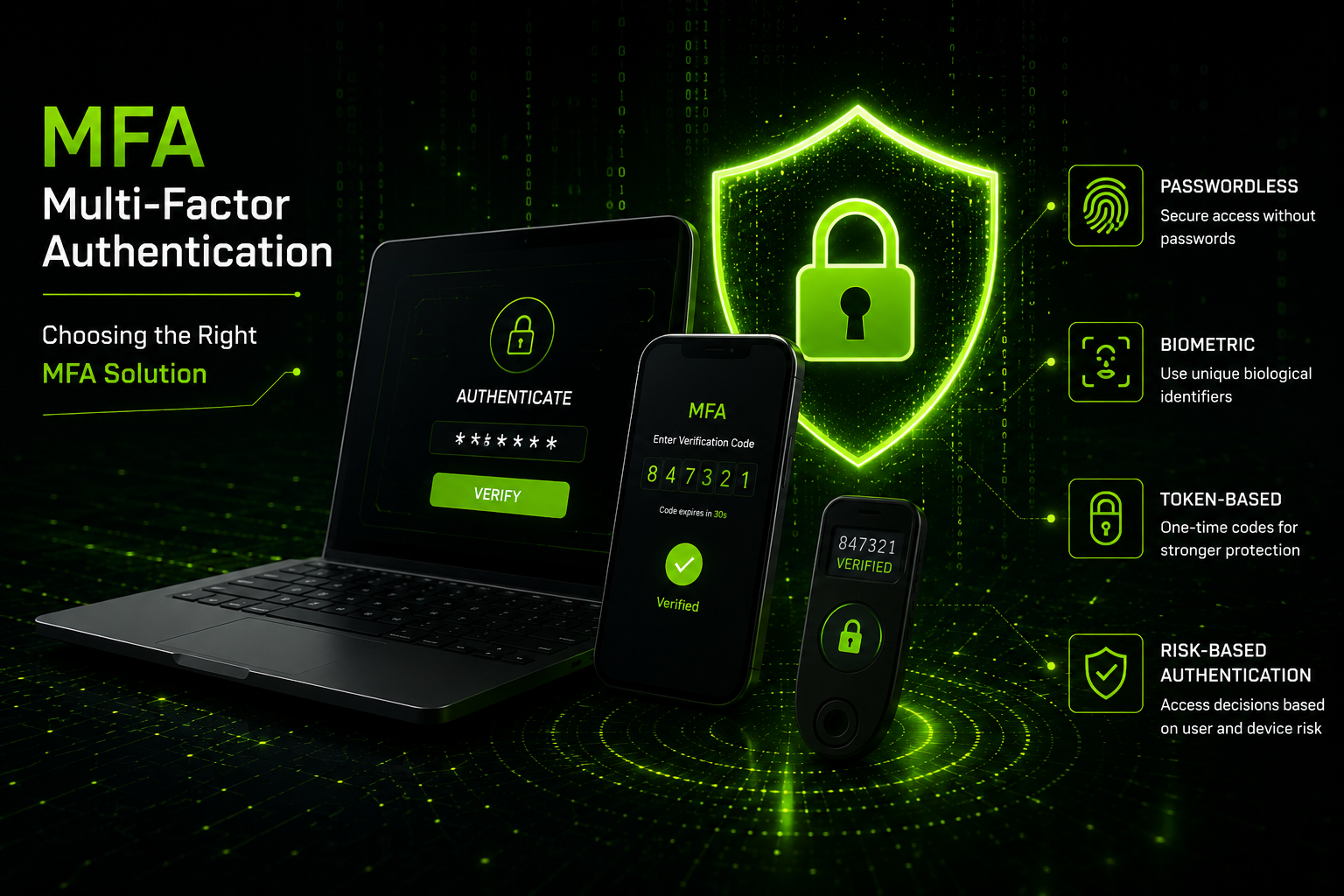
This enforces strong authentication, MFA, SSO, and privileged access management, so a stolen password alone is not enough to get in.
Endpoints Keep Multiplying
Laptops, mobile phones, and IoT sensors all expand the attack surface. This model requires every endpoint to be verified continuously via EDR and MDR.
Threats Move Laterally
This uses network segmentation, next-gen firewalls, and SASE to contain a breach before it spreads to critical systems.
Data Needs Protection Everywhere
This approach applies data loss prevention and encryption so protection travels with the data itself, not just the network it started on.
Response Must Be Continuous
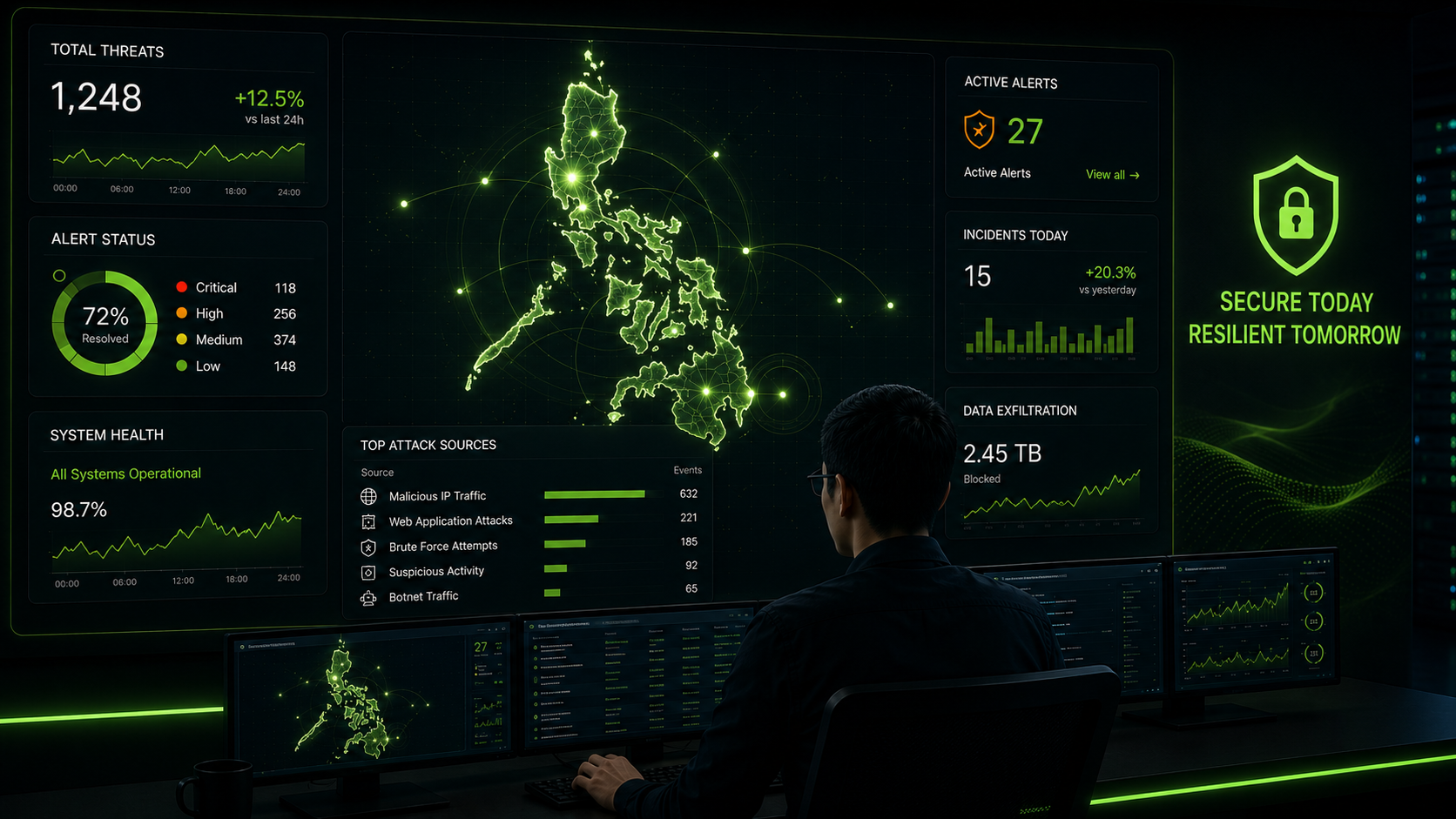
This pairs continuous monitoring with automated response, SOAR, to catch and contain incidents in real time, not weeks later.
How Maroev’s Zero Trust Architecture Works
At Maroev, Zero Trust security is not a single product. It is an architecture built around seven pillars: Identity, Endpoint, Network, Application, Data, Detection, and Response. Each pillar is continuously verified, continuously authenticated, and continuously monitored, so protection does not stop once a user logs in.
This layered approach lets Philippine enterprises, from banking and telecom to government and healthcare, close the gaps that perimeter-only security leaves wide open, without disrupting how their teams already work. Explore the full breakdown on our cybersecurity solutions page.
A Practical Starting Point
Adopting Zero Trust security does not happen overnight, and it should not be treated as an all-or-nothing project. Most organizations start with the highest-risk gaps, usually identity and endpoint, and expand from there.
Map out where your critical data and applications actually live.
Enforce multi-factor authentication across all users, especially privileged accounts.
Segment the network so a single compromised device cannot reach everything.
Add continuous monitoring so incidents are caught in hours, not months.
Every organization’s starting point looks different, which is why Maroev’s team begins with a discovery assessment before recommending a roadmap, rather than applying the same playbook everywhere.



Let’s Secure and Transform Your Business Together
Zero Trust security is no longer optional for enterprises that hold sensitive data, serve regulated industries, or operate critical infrastructure. As threats grow more sophisticated, trust but verify has given way to never trust, always verify, and organizations that adapt now will be far better positioned than those that wait for a breach to force the change.
Book a Consultation →