
Cloud Security Best Practices
Essential steps to keep your cloud environments resilient and compliant. From configuring Cloud Security Posture Management (CSPM) to hardening IAM policies, we unpack the core defenses every enterprise needs.

Securing the Shared Responsibility Model
As enterprise workloads accelerate into multi-cloud and hybrid infrastructures, cloud security becomes a complex, moving target. Cloud service providers manage the security of the cloud, but securing data, access policies, applications, and configurations in the cloud remains solely your enterprise’s responsibility.
Without proactive governance, cloud misconfigurations and identity sprawl quickly create critical vulnerabilities that cybercriminals exploit within minutes.
Why On-Premise Security Fails in the Cloud
Applying legacy perimeter tools to dynamic, multi-cloud platforms leaves systemic blind spots across your entire digital infrastructure.
Cloud Misconfigurations
Over 80% of cloud data breaches stem from simple misconfigurations, publicly exposed storage buckets, or default security group settings.
Identity Over-Privileging
Dynamic cloud resources grant extensive permissions by default, creating excessive human and machine access paths that malicious actors easily hijack.
Cloud security requires real-time visibility, automated posture management, and continuous policy enforcement to stay ahead of automated exploit attempts.
5 Essential Cloud Security Best Practices
Harden Identity & Access Management
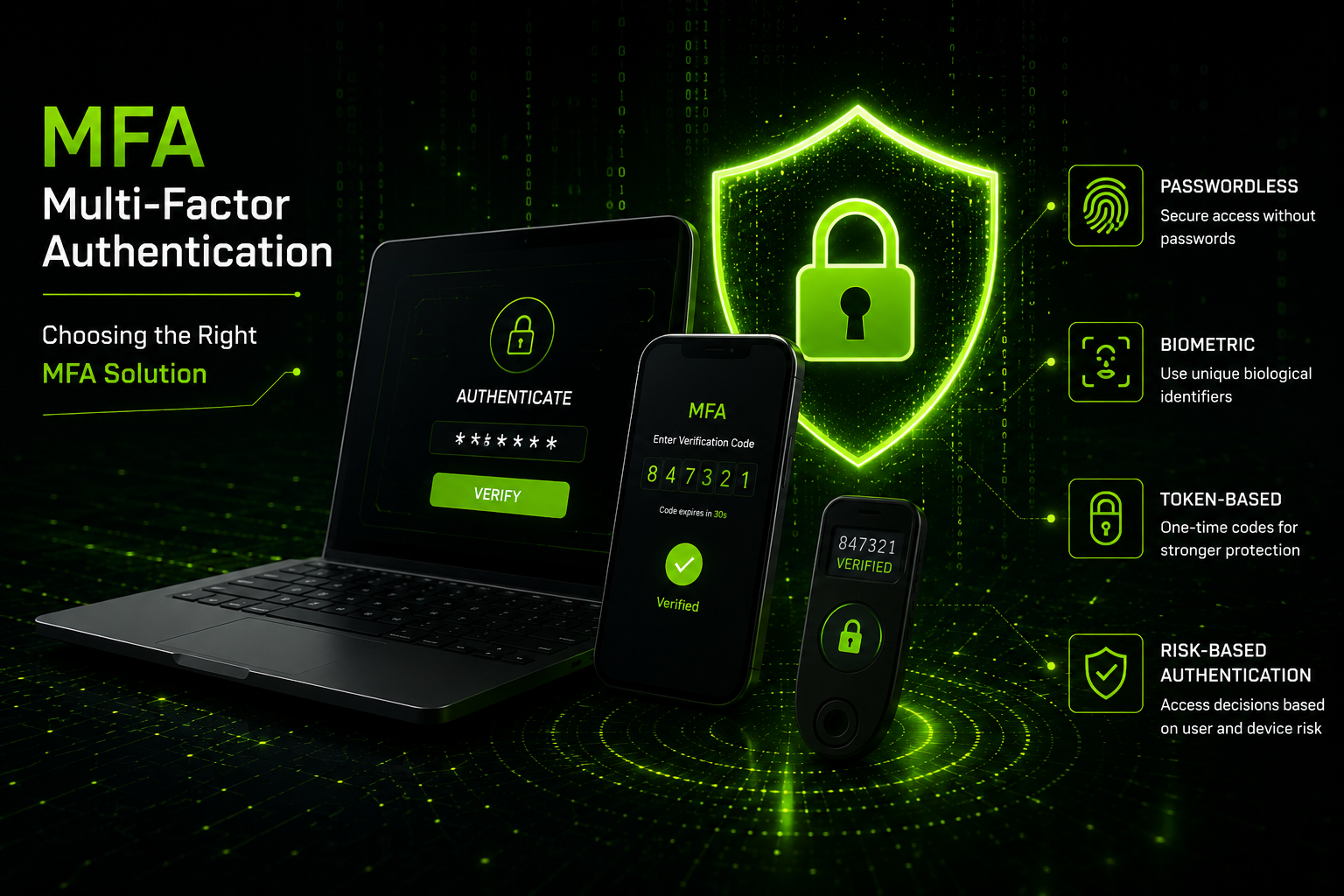
Enforce Least Privilege access, granular role-based permissions (RBAC), and compulsory multi-factor authentication (MFA) across all cloud environments.
Deploy Automated Posture Management
Utilize Cloud Security Posture Management (CSPM) tools to continuously audit configuration drift and automate compliance enforcement.
Encrypt Data at Rest and in Transit
Protect sensitive cloud data using strong cryptographic standards, robust key management services (KMS), and automated encryption policies.
Secure Containers & Serverless Assets
Implement Cloud Workload Protection Platforms (CWPP) to scan container images, dependencies, and code deployments for vulnerabilities.
Continuous Cloud Telemetry & Auditing
Centralize cloud API audit logs, traffic streams, and threat telemetry with SIEM integrations for instant incident detection and response.
How Maroev Secures Enterprise Cloud Environments
At Maroev, cloud security is built on deep architectural alignment across hybrid and multi-cloud platforms. We combine automated governance with expert human oversight to protect your data, APIs, and workloads against emerging threats.
Whether navigating AWS, Azure, or private cloud environments, our team delivers seamless protection, ensuring strict regulatory compliance without compromising operational flexibility. Explore the full breakdown on our cybersecurity solutions page.
A Practical Roadmap to Cloud Resilience
Hardening your cloud architecture requires a systematic approach. Follow these foundational steps to establish effective cloud security governance.
Perform a complete cloud asset discovery and map data flows across all cloud service providers.
Conduct an IAM access audit to eliminate inactive accounts and restrict excessive privileges.
Integrate automated CSPM tools to detect and auto-remediate misconfigurations in real time.
Establish centralized logging and continuous incident monitoring across all cloud workloads.
Every organization’s cloud journey is unique. Maroev’s team provides tailored cloud security assessments to help you build a resilient, compliant architecture.



Build a Future-Proof Cloud Infrastructure Today
Cloud adoption provides speed and scalability, but only continuous security ensures long-term business resilience. Partner with Maroev to eliminate cloud misconfigurations, secure sensitive data, and maintain absolute compliance across your digital footprint.
Book a Consultation →